
Best Tactical & Safety Boots for the Gulf Heat
Composite vs steel toe, breathability, and the ratings that matter — how to choose work and tactical boots built for Bahrain and the GCC.
In Bahrain and across the GCC, a boot isn’t just a boot — it’s the piece of kit standing between you and 45°C ground temperatures, oil-slick worksites, and 10-hour shifts on your feet. The boot that performs beautifully in a European winter can become a heat trap in a Gulf summer. This guide breaks down what to look for, explains the safety ratings that actually matter, and compares three workhorse brands: Safety Jogger, RockFall, and Skechers.
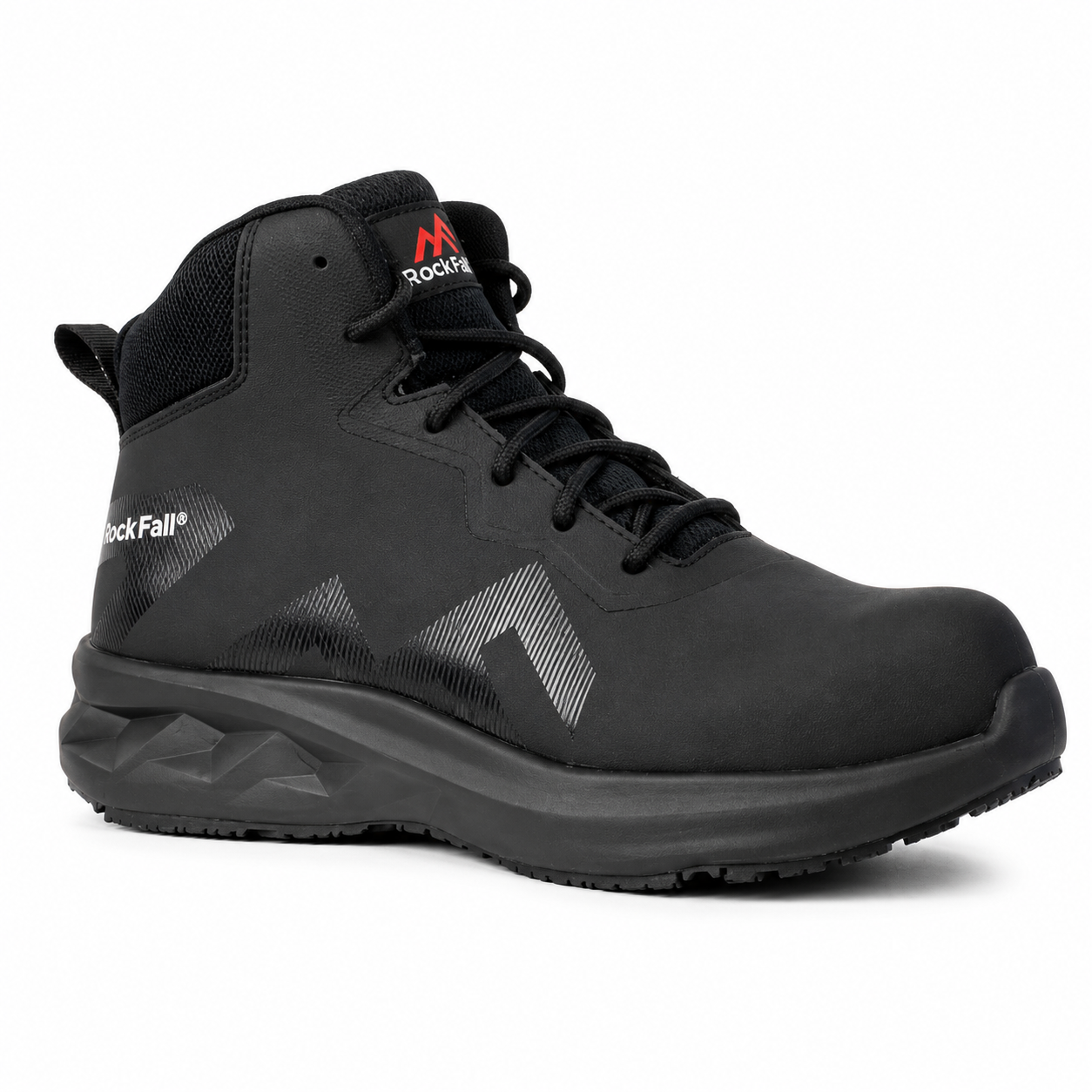
The single most important choice: composite vs steel toe
If you take one thing from this guide, make it this. For anyone working outdoors or in a hot facility in the Gulf, a composite toe cap almost always beats steel.
Steel conducts heat far more readily than composite materials (fibreglass, carbon fibre, or hardened plastics). Under a Gulf sun, a steel toe warms up and holds that heat against your foot. A composite cap stays closer to ambient temperature, keeps your toes cooler through a long shift, and is non-metallic — so it won’t set off metal detectors at secured sites and adds no cold-bridge in air-conditioned interiors. It’s also lighter, which you notice by hour eight.
Go composite for Gulf heat — cooler, lighter, and non-conductive. Choose steel only if you need the thinnest toe profile or the lowest purchase price.
Decode the safety ratings before you buy
European safety footwear is graded under EN ISO 20345, and the code on the box tells you exactly what the boot protects against. Both steel and composite toes must pass the same 200-joule impact test, so a rating is about the whole boot — not just the cap.
| Rating | What it means | Best for |
|---|---|---|
| S1 | Toe protection, antistatic, heel energy absorption, oil-resistant | Dry indoor work |
| S1P | S1 + underfoot penetration resistance | Nail/debris hazards, indoor |
| S3 | S1P + water-penetration resistance + cleated outsole | Construction & outdoor — the standard |
| ESD | Electrostatic-discharge control (separate marking) | Fuel, electronics, oil & gas |
What “hot-weather ready” actually means in a boot
- Breathable uppers — mesh panels or perforated leather for airflow
- Moisture-wicking lining that moves sweat off the skin
- Lightweight construction to cut fatigue over a long shift
- Slip- and oil-resistant SRC outsole for industrial floors
Don’t underestimate socks, either — even the best boot is undermined by cotton socks that hold sweat. Pair your boots with proper moisture-wicking socks and you’ll feel the difference immediately.
Safety Jogger vs RockFall vs Skechers
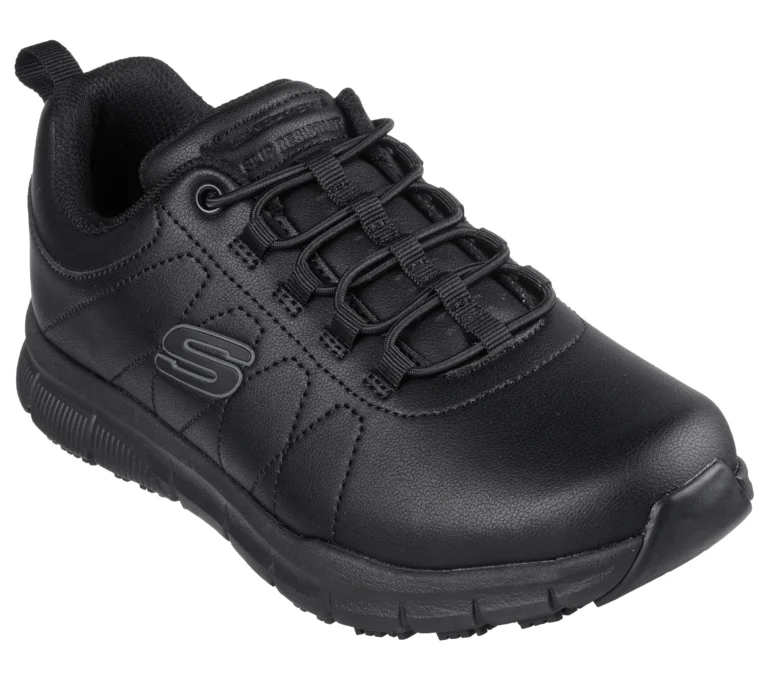
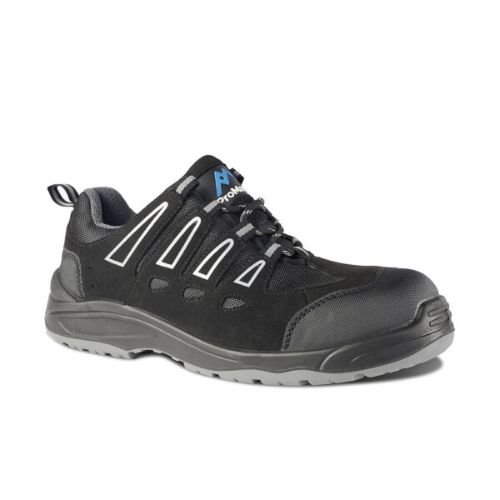
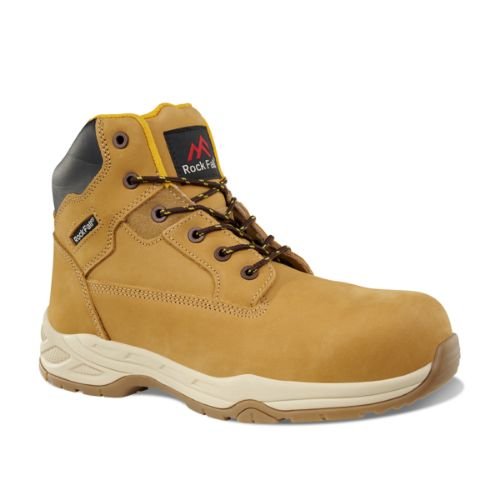
Safety Jogger — best value for teams
Belgian-designed, widely certified across S1P and S3, and priced to kit out a whole crew without cutting corners on the standards. Usually the smartest cost-per-pair for a facility. Browse Safety Jogger →
RockFall & ProMan — premium all-day comfort
The comfort-focused end of safety footwear: metal-free builds, generous cushioning, and specialist ESD, metatarsal and wide-fit options. If your people are on their feet all day, RockFall pays for itself. Browse RockFall →
Skechers — lightweight athletic comfort
Skechers brings its sneaker heritage to the worksite: memory-foam cushioning, a relaxed athletic fit, and slip-resistant Work models that feel more like trainers than boots. Ideal for long shifts on hard floors — retail, facilities, hospitality, and light-duty roles where all-day comfort matters most. Browse Skechers →
Quick recommendations by job
- Construction / oil & gas: S3-rated, composite toe, SRC outsole
- Long shifts on hard floors / light-duty: cushioned athletic safety shoe (Skechers)
- Outdoor / field: breathable tactical boots over a certified safety cap
Find your boots
Browse the full safety and tactical footwear range with fast, secure delivery across the GCC.
Shop Safety Boots →